Fence-Contractor: A Comprehensive Insight into the Global Phenomenon
Introduction
Welcome to an exhaustive exploration of the world of fence contractors, a topic that might seem mundane at first glance but holds significant importance in various sectors worldwide. This article aims to delve deep into the multifaceted role played by fence contractors, their impact on communities and industries, and the evolving dynamics shaping this field. Throughout this journey, we will uncover the intricacies, challenges, and future potential of fence-contractor activities, offering valuable insights for professionals, policymakers, and anyone curious about this often-overlooked sector.
Understanding Fence-Contractor: Definition and Core Components
Definition:
A fence contractor is a specialized professional or business engaged in the design, installation, and maintenance of fencing systems for various purposes. They play a critical role in providing security, defining property boundaries, and enhancing aesthetics in both residential and commercial settings.
Core Components:
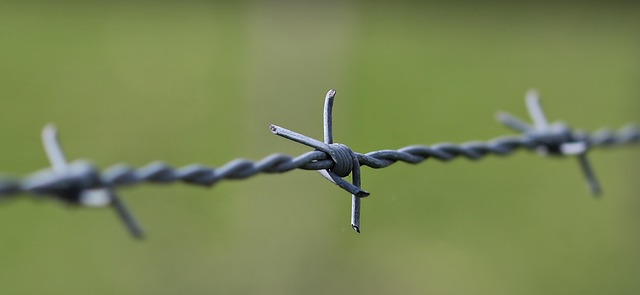
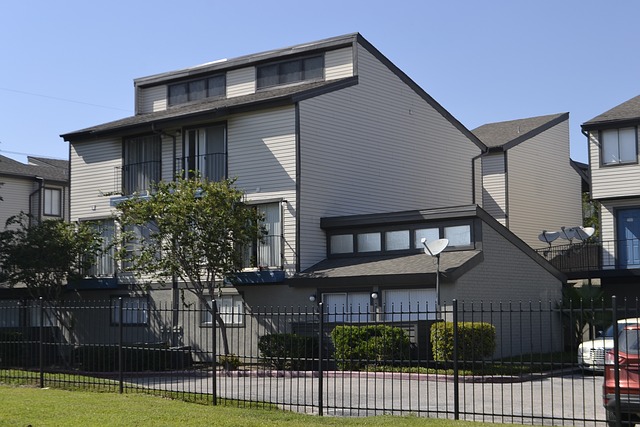
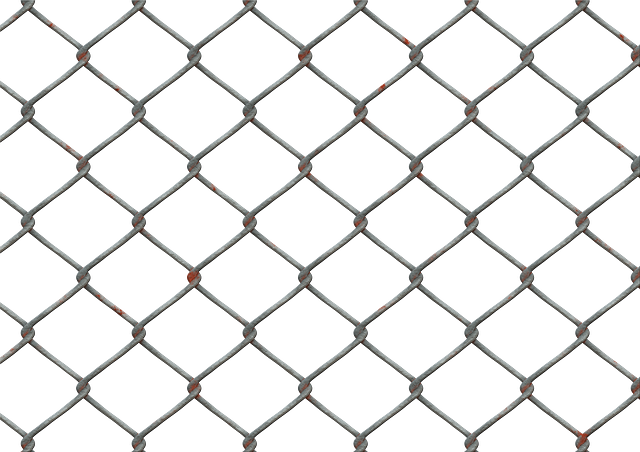
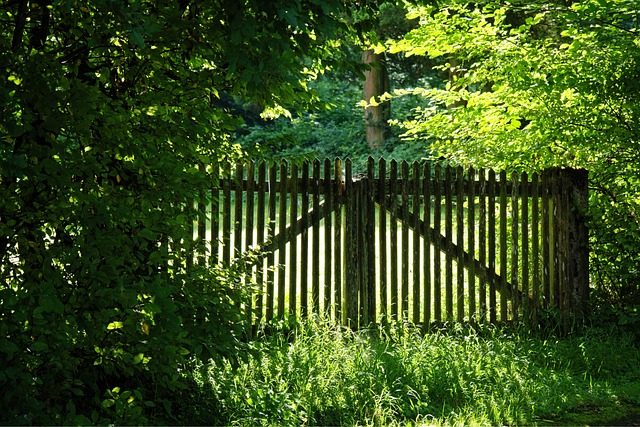
- Fencing Materials: Contractors source and supply an array of materials, including wood, vinyl, chain link, iron, and fiberglass, each offering unique benefits and styles to cater to diverse client needs and preferences.
- Design and Customization: The art of fencing extends beyond basic installation. Contractors offer design services, ensuring fences complement the surrounding landscape, architectural styles, and cultural nuances. Customization options range from aesthetic choices like color and texture to functional elements such as security features and access control mechanisms.
- Installation and Construction: This involves skilled labor for constructing and erecting fences, requiring knowledge of structural engineering, terrain considerations, and local regulations.
- Maintenance and Repair: A crucial aspect is the ongoing upkeep of fences, including regular inspections, cleaning, repairs, and replacement of worn-out components to ensure longevity and optimal performance.
Historical Context:
The practice of fence contracting has deep roots in human history, dating back thousands of years. Ancient civilizations relied on fences for protection against intruders and livestock containment. Over time, the profession evolved with advancements in materials and construction techniques. The introduction of iron and steel in the 19th century revolutionized fencing, providing stronger and more durable options. Today, fence contractors employ a blend of traditional craftsmanship and modern technologies to meet the varying demands of contemporary clients.
Global Impact and Trends: A World-Wide Reach
The influence of fence contractors extends far beyond local neighborhoods, with their services shaping communities worldwide. Here's an overview of the global impact and emerging trends:
| Region |
Impact and Observations |
| North America |
The US and Canadian markets are highly mature, characterized by a mix of residential, commercial, and industrial fencing projects. There is a growing trend towards eco-friendly materials and smart technology integration for enhanced security. |
| Europe |
European countries showcase diverse fencing styles, influenced by historical architecture and cultural preferences. The region leads in innovative designs, such as artistic metalwork and aesthetically pleasing natural wood fences. |
| Asia Pacific |
Rapid urbanization drives the demand for fencing in this vast region. China, India, and Japan exhibit a mix of traditional and modern fencing styles, with an increasing focus on security-focused solutions. |
| Middle East & Africa |
The MEA region features unique landscaping challenges due to extreme weather conditions. Contractors here specialize in robust, desert-resistant fencing while incorporating regional design elements. |
| Latin America |
This region boasts vibrant cultural expressions through fencing, with colorful and intricate designs. There is also a growing interest in sustainable materials and community security initiatives. |
Key Global Trends:
- Sustainability Focus: Environmentally conscious consumers drive the adoption of eco-friendly materials, such as recycled plastics, bamboo, and energy-efficient lighting along fences.
- Smart Security Integration: Advanced technology enables contractors to offer integrated security systems, including surveillance cameras, access control, and automated gates, enhancing residential and commercial security.
- Customized Aesthetics: Customers seek unique fence designs that reflect their personal style, leading to an increase in custom-made metal art, intricate carvings, and aesthetically pleasing landscaping.
- Digital Transformation: Digital tools streamline project management, design processes, and client communication, allowing contractors to serve a broader geographic area efficiently.
Economic Considerations: A Vital Sector
The fence-contractor industry plays a significant role in global and local economies, with various economic aspects shaping its dynamics:
- Market Size and Growth: According to Market Research Future (MRFR), the global fencing market is projected to reach USD 23.4 billion by 2027, growing at a CAGR of 6.2% from 2020 to 2027. This growth is attributed to factors like increasing urbanization, rising disposable incomes, and a growing focus on property security.
- Investment Patterns: Private equity firms and investment groups have shown interest in fence contracting businesses, recognizing their potential for steady growth and diversification. Mergers and acquisitions are common strategies to expand market reach and gain competitive advantages.
- Employer-Employee Relationship: The industry employs a substantial workforce globally, offering job opportunities in construction, design, sales, and management. According to the US Bureau of Labor Statistics (BLS), employment in the construction sector, which includes fence contracting, is expected to grow by 7% from 2019 to 2029.
- Cost Analysis: Fence installation costs vary widely based on material type, design complexity, and geographic location. On average, residential fences range from $15 to $60 per linear foot, while commercial projects can exceed $100 per linear foot due to enhanced security requirements.
Technological Advancements: Shaping the Future of Fencing
Technological innovations are revolutionizing the fence-contractor industry, opening doors to new possibilities and improved service offerings:
- 3D Modeling and Design Software: Advanced design tools enable contractors to create detailed digital models, helping clients visualize their fencing project before construction begins. This technology streamlines the design process and allows for more precise cost estimations.
- Drones for Inspection and Surveying: Unmanned aerial vehicles (UAVs) or drones are increasingly used for site surveys, providing high-resolution images and data for accurate fence planning and installation. Drones can access hard-to-reach areas, reducing the need for expensive manual surveying.
- Smart Home Integration: Contractors are embracing smart home technology to offer integrated fencing solutions. This includes automated gates controlled via smartphone apps, motion-sensor lighting, and security cameras linked to central monitoring systems.
- Material Innovation: Researchers are developing new materials, such as self-cleaning coatings for metal fences and composite materials that mimic the look of natural wood but require less maintenance.
Policy and Regulation: Navigating Legal Waters
The fence-contractor industry operates within a framework of policies and regulations that vary across jurisdictions, ensuring quality, safety, and ethical practices:
- Building Codes and Permits: Most municipalities have building codes that govern fencing construction, requiring permits for certain types of installations. These codes ensure structures meet safety standards and aesthetic considerations.
- Health and Safety Regulations: Contractors must adhere to workplace safety guidelines, including the use of personal protective equipment (PPE) and proper training for handling heavy materials and machinery.
- Environmental Protection Laws: In many regions, there are regulations in place to protect natural resources and ecosystems, especially in areas with fragile landscapes or endangered species habitats. Fence contractors must obtain permits for construction in such zones and follow specific environmental guidelines.
- Licensing and Certification: Some countries and states require fence contractors to obtain licenses or certifications to operate legally. These programs ensure professionals possess the necessary skills and knowledge to deliver quality services safely.
- Insurance Requirements: Contractors are often required to carry liability insurance to protect against potential claims related to property damage or personal injuries caused during construction.
Challenges and Criticisms: Overcoming Obstacles
Despite its growth and technological advancements, the fence-contractor industry faces several challenges and criticisms that require strategic solutions:
- Labor Shortages: The skilled labor required for fencing installation and maintenance is often in short supply, leading to longer project timelines and increased costs. Addressing this challenge involves attracting and training new workers, offering competitive wages, and implementing digital tools to streamline processes.
- Material Sourcing and Cost Fluctuations: Volatile market conditions and global supply chain disruptions can impact the availability and pricing of fencing materials. Contractors need to foster diverse supplier relationships and implement strategic inventory management practices to mitigate these risks.
- Environmental Concerns: Traditional fencing materials, especially certain metals, contribute to environmental pollution if not recycled properly. Contractors can promote sustainability by offering eco-friendly alternatives and implementing recycling programs for discarded materials.
- Competition and Market Saturation: In densely populated areas, high competition among contractors can lead to pricing wars and reduced profit margins. Differentiating through unique design capabilities, specialized services, or exceptional customer service becomes crucial for long-term success.
- Customer Perception: Some clients may view fence contracting as a secondary consideration, especially in fast-paced urban environments. Contractors need to educate the public about the security, aesthetic, and longevity benefits of well-designed and maintained fences.
Case Studies: Real-World Success Stories
1. Urban Security Enhancement in New York City
A prominent fence contractor in NYC transformed a stretch of high-crime area along the city's outskirts by installing an advanced security fencing system. The project involved a combination of steel barriers, motion sensors, and integrated CCTV cameras. This comprehensive approach significantly reduced criminal activity, improved community safety, and led to increased property values in the surrounding neighborhood.
2. Sustainable Fencing in California's Wine Country
A boutique fence contractor specializing in eco-friendly solutions partnered with local vineyard owners to create a unique, aesthetically pleasing fencing system using recycled plastic and natural wood. The project not only enhanced the vineyards' curb appeal but also provided a robust security solution against wild animals and intruders. This case highlights the growing demand for sustainable and functional fencing in rural areas.
3. Smart Community Fencing in Singapore
Singapore's forward-thinking approach to urban development is reflected in its innovative use of smart fencing technology. A local contractor designed and installed interactive fences along a popular community park, featuring digital displays offering wayfinding, weather updates, and public service announcements. This project exemplifies the fusion of technology and urban design, enhancing the overall community experience.
Future Prospects: Emerging Trends and Opportunities
As we peer into the future, several trends and developments are poised to shape the fence-contractor industry:
- Green Infrastructure Integration: There will be an increased focus on integrating fencing with green infrastructure, such as living walls, vertical gardens, and sustainable drainage systems. These eco-friendly approaches not only enhance aesthetics but also contribute to urban biodiversity and improved air quality.
- Blockchain for Supply Chain Management: Blockchain technology can revolutionize material sourcing and tracking, ensuring transparency, traceability, and authenticity in the supply chain. This is particularly relevant for rare or exotic materials.
- AI-Assisted Design and Planning: Artificial intelligence will play a role in design processes, offering personalized fencing solutions based on client preferences and site-specific data. AI can also enhance project planning by predicting material requirements and potential delays.
- Remote Monitoring and Maintenance: Internet of Things (IoT) devices will enable remote monitoring of fence conditions, allowing for proactive maintenance and repair, especially in hard-to-reach or hazardous locations.
- Community Engagement and Co-creation: The industry is likely to see more collaborative projects with local communities, schools, and artists, fostering a sense of ownership and creativity in public spaces.
Conclusion: A Vital Link in the Built Environment
The journey through the world of fence contractors has revealed their profound impact on shaping our physical surroundings. From historical defenses to modern security and aesthetic considerations, these professionals play a pivotal role in defining and protecting our spaces. The industry's global reach, economic significance, and continuous technological evolution underscore its importance.
As we look ahead, fence contractors stand at the intersection of innovation, sustainability, and community development. Embracing emerging trends, addressing challenges head-on, and fostering collaboration will be key to their success in an ever-changing world. The future of fencing promises exciting possibilities, from smart homes and cities to enhanced security and greener environments.
FAQ Section: Answering Common Queries
Q: How do I choose the right fence contractor for my project?
A: Consider factors like experience, licensing, insurance, references, and cost estimates. Request detailed proposals and compare services, ensuring the contractor understands your specific needs and can provide solutions tailored to your project.
Q: Are there any environmental regulations I should be aware of before installing a fence?
A: Yes, many regions have environmental protections in place. Research local laws regarding clearances for construction, protection of endangered species, and proper disposal of construction waste. Consult with experts or government agencies to ensure compliance.
Q: Can fencing be an effective security measure for my home?
A: Absolutely! A well-designed fence with robust security features can deter intruders, provide a psychological barrier, and enhance overall home security. Consider incorporating advanced technology like motion sensors, CCTV cameras, and automated gates for added protection.
Q: How often should I maintain my fence to ensure longevity?
A: Regular maintenance varies by material type and climate. Generally, annual cleaning and inspection are recommended. Repairs, painting, or staining may be required every 2-5 years, depending on factors like exposure to weather and foot traffic.
Q: Are there any innovative fencing materials I should consider for my project?
A: Absolutely! Explore options like composite materials (a blend of wood and plastic), recycled metal, or modern polymeric fences. These offer durability, low maintenance, and unique aesthetic possibilities, catering to diverse design preferences and environmental concerns.